National Assessment And Accreditation Council (NAAC)
India has one of the largest and diverse education systems in the world. Privatization,
widespread expansion, increased autonomy and introduction of Programmes in new and
emerging areas have improved access to higher education. At the same time, it has also
led to widespread concern on the quality and relevance of the higher education. To
address these concerns, the National Policy on Education (NPE, 1986) and the Programme
of Action (PoA, 1992) spelt out strategic plans for the policies, advocated the
establishment of an independent National accreditation agency. Consequently, the
National Assessment and Accreditation Council (NAAC) was established in 1994 as an
autonomous institution of the University Grants Commission (UGC) with its Head Quarter
in Bengaluru. The mandate of NAAC as reflected in its vision statement is in making
quality assurance an integral part of the functioning of Higher Education Institutions
(HEIs).
The NAAC functions through its General Council (GC) and Executive Committee (EC)
comprising educational administrators, policy makers and senior academicians from a
cross-section of Indian higher education system. The Chairperson of the UGC is the
President of the GC of the NAAC, the Chairperson of the EC is an eminent academician
nominated by the President of GC (NAAC). The Director is the academic and administrative
head of NAAC and is the member secretary of both the GC and the EC. In addition to the
statutory bodies that steer its policies and core staff to support its activities NAAC
is advised by the advisory and consultative committees constituted from time to time.
The Institution ensures effective curriculum planning and delivery
through a well-planned and documented process including Academic
calendar and conduct of continuous internal Assessment Write
description in a maximum of 500 words
Institution obtains feedback on the academic performance and
ambience of the institution from various stakeholders, such as
Students, Teachers, Employers, Alumni etc. and action taken report
on the feedback is made available on institutional website (Yes or
No)
Percentage of seats filled against seats reserved for various
categories (SC, ST, OBC, Divyangjan, etc. as per applicable
reservation policy during the last five years (Exclusive of
supernumerary seats)
Percentage of full time teachers with NET/SET/SLET/ Ph. D. / D.M. /
M.Ch. / D.N.B Superspeciality / D.Sc. / D.Litt. during the last five
years (consider only highest degree for count)
Programme Outcomes (POs) and Course Outcomes (COs) for all
Programmes offered by the institution are stated and displayed on
website and attainment of POs and COs are evaluated
Grants received from Government and non-governmental agencies for
research projects / endowments in the institution during the last
five years (INR in Lakhs)
Institution has created an ecosystem for innovations and has
initiatives for creation and transfer of knowledge (patents filed,
published, incubation center facilities in the HEI to be considered)
Number of workshops/seminars/conferences including on Research
Methodology, Intellectual Property Rights (IPR) and entrepreneurship
conducted during the last five years
Number of books and chapters in edited volumes/books published and
papers published in national/ international conference proceedings
per teacher during last five years
Extension activities are carried out in the neighborhood community,
sensitizing students to social issues, for their holistic
development, and impact thereof during the last five years.
Number of extension and outreach programs conducted by the
institution through NSS/NCC/Red cross/YRC etc., (including the
programmes such as Swachh Bharat, AIDS awareness, Gender issues etc.
and/or those organised in collaboration with industry, community and
NGOs) during the last five years
The number of MoUs, collaborations/linkages for Faculty exchange,
Student exchange, Internship, Field trip, On-the- job training,
research and other academic activities during the last five years
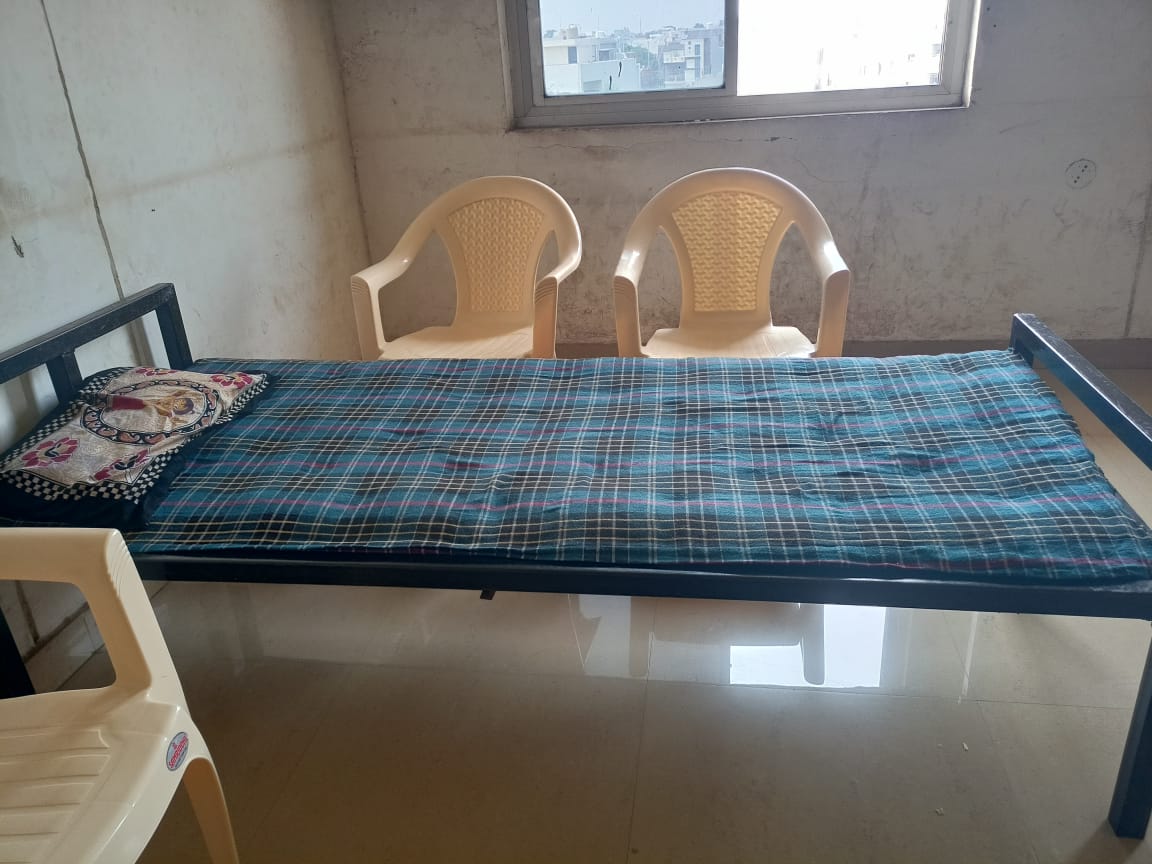
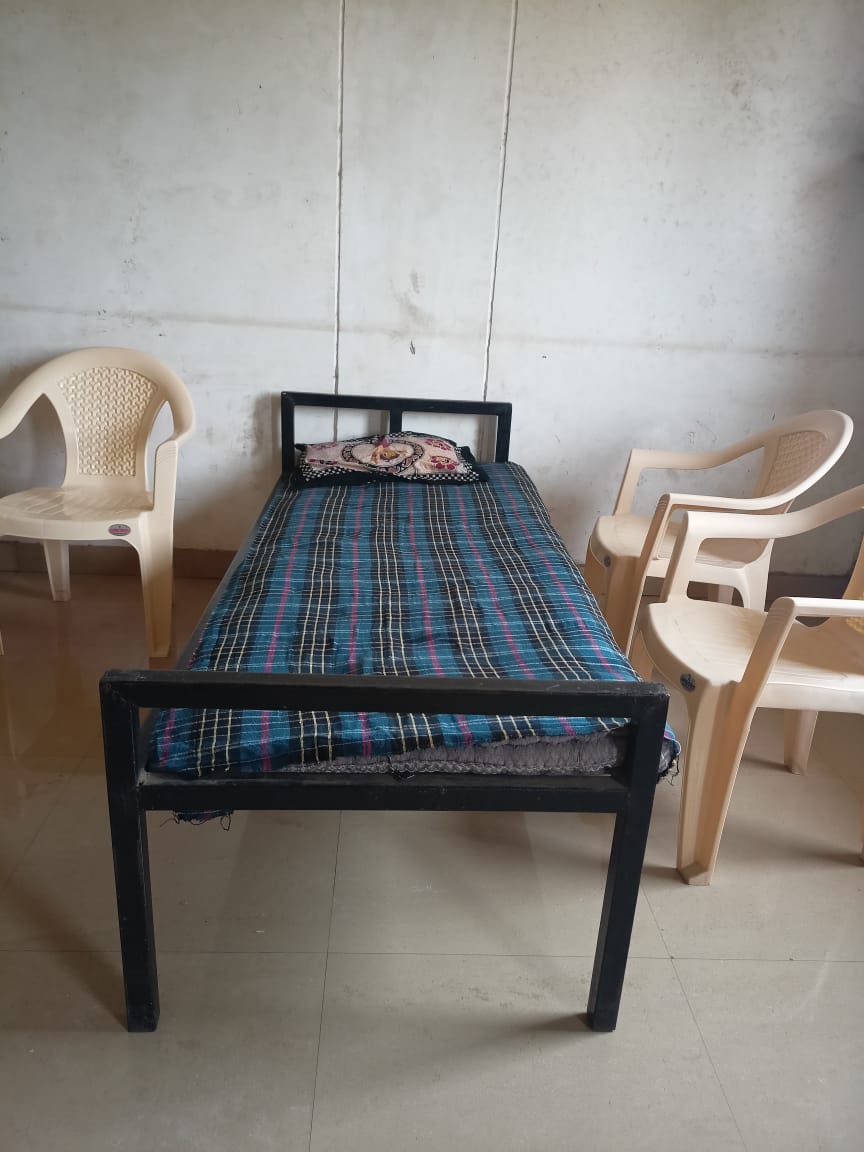
Availability of adequate infrastructure and physical facilities
viz., classrooms, laboratories, ICT facilities, cultural activities,
gymnasium, yoga centre etc. in the institution.
Library is automated using Integrated Library Management System
(ILMS), subscription to e-resources, amount spent on purchase of
books, journals and per day usage of library.
Percentage of expenditure incurred on maintenance of infrastructure
(physical and academic support facilities) excluding salary
component during the last five years (INR in Lakhs).
Percentage of students qualifying in state/national/ international
level examinations during the last five years (eg: JAM/CLAT/GATE/
GMAT/ CAT/ GRE/ TOEFL/ Civil Services/State government examinations)
Number of awards/medals for outstanding performance in sports/
cultural activities at University / state/ national / international
level (award for a team event should be counted as one) during the
last five years
Average number of sports and cultural programs in which students of
the Institution participated during last five years (organised by
the institution/other institutions)
There is a registered Alumni Association that contributes
significantly to the development of the institution through
financial and/or other support services
The governance and leadership is in accordance with vision and
mission of the institution and it is visible in various
institutional practices such as decentralization and participation
in the institutional governance
The functioning of the institutional bodies is effective and
efficient as visible from policies, administrative setup,
appointment and service rules, procedures, deployment of
institutional Strategic/ perspective/development plan etc
Percentage of teachers provided with financial support to attend
conferences/workshops and towards membership fee of professional
bodies during the last five years
Percentage of teaching and non-teaching staff participating in
Faculty development Programmes (FDP), professional development
/administrative training programs during the last five years
Institution has strategies for mobilization and optimal utilization
of resources and funds from various sources (government/
nongovernment organizations) and it conducts financial audits
regularly (internal and external)
Internal Quality Assurance Cell (IQAC) has contributed significantly
for institutionalizing the quality assurance strategies and
processes. It reviews teaching learning process, structures &
methodologies of operations and learning outcomes at periodic
intervals and records the incremental improvement in various
activities
Measures initiated by the Institution for the promotion of gender
equity and Institutional initiatives to celebrate/organize national
and international commemorative days, events and festivals during
the last five years
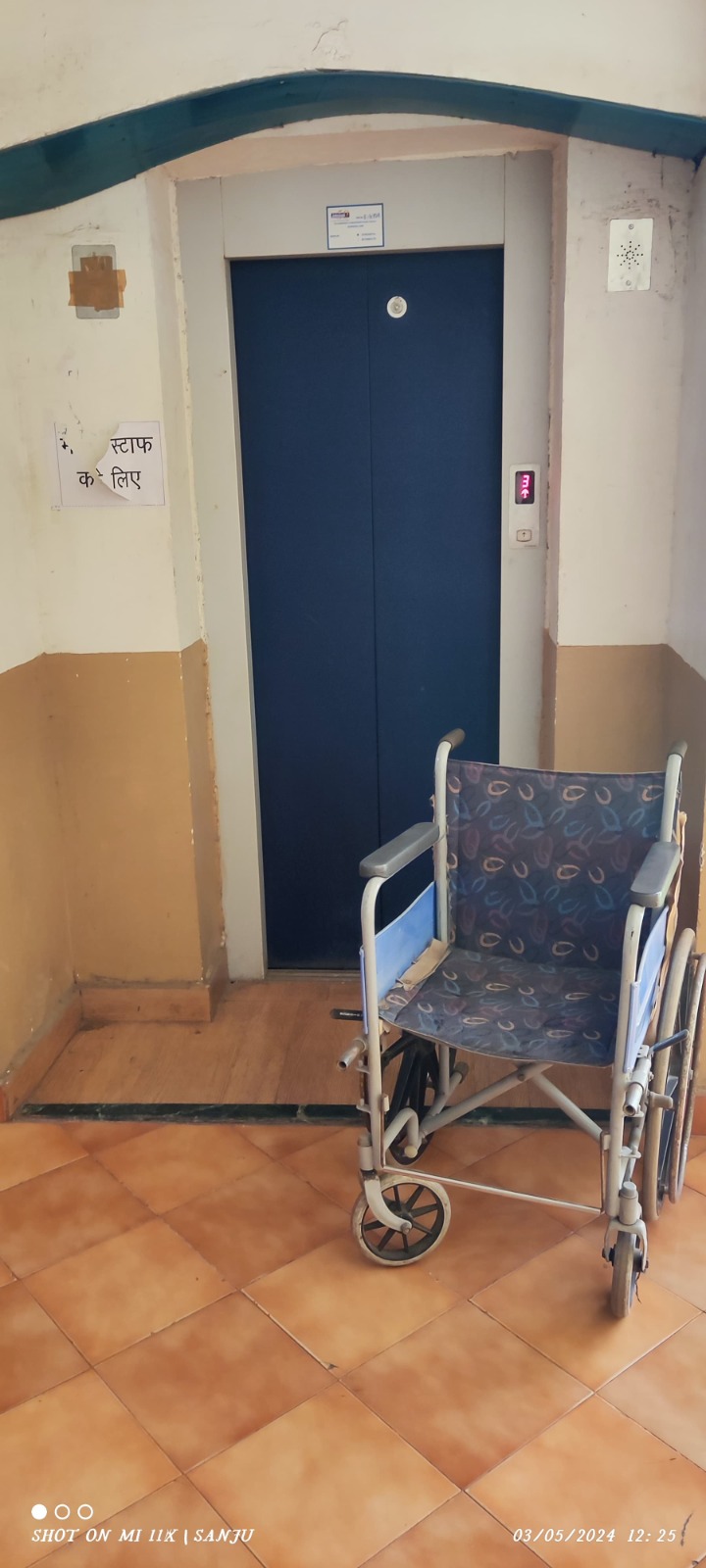
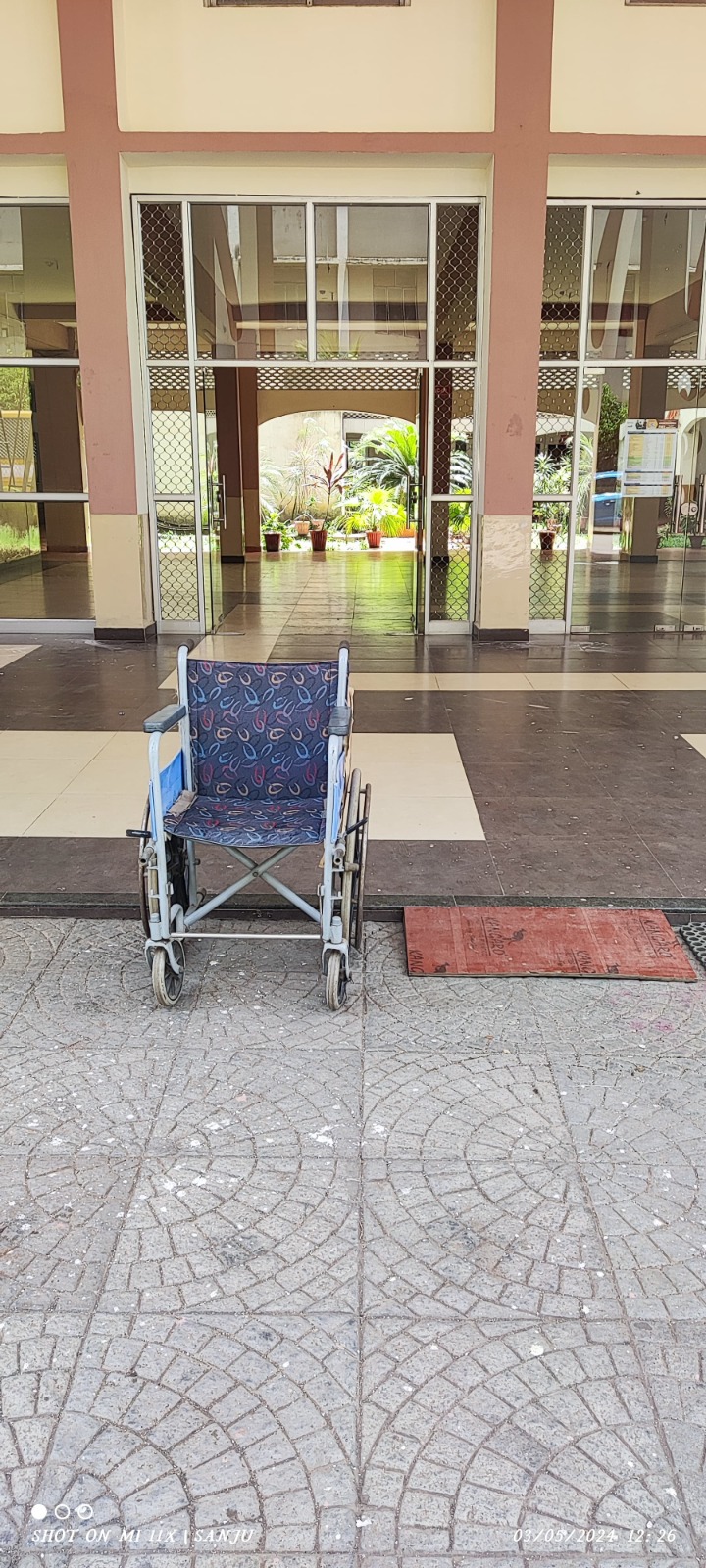
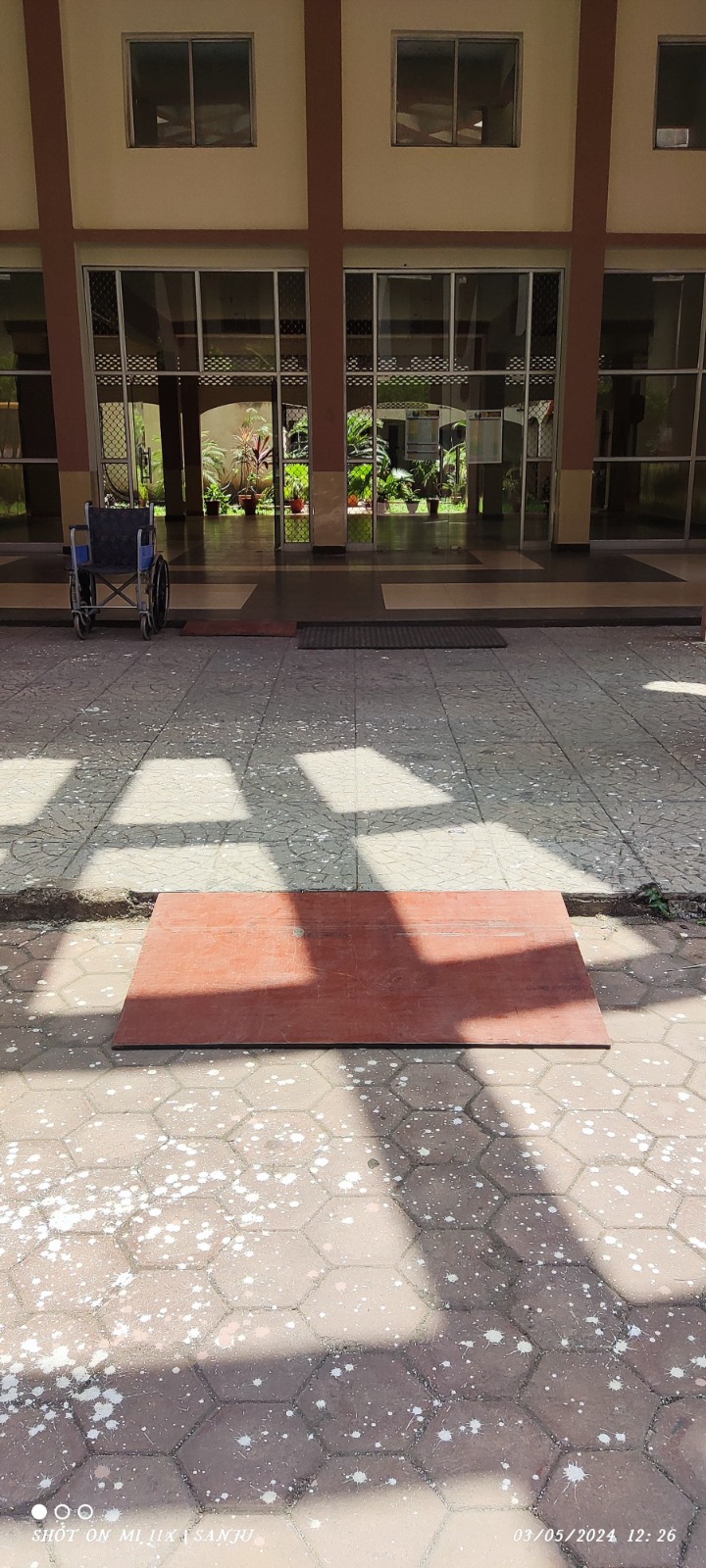
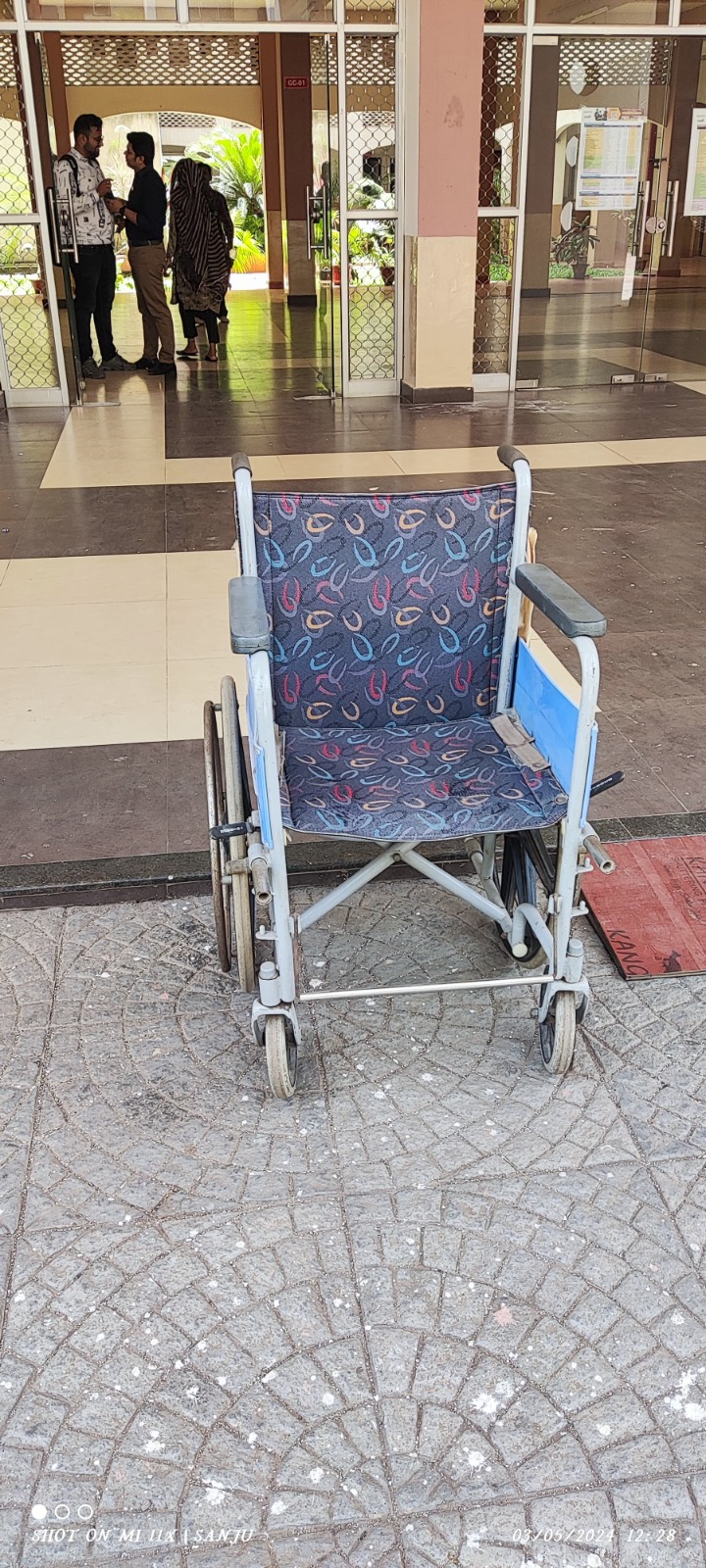
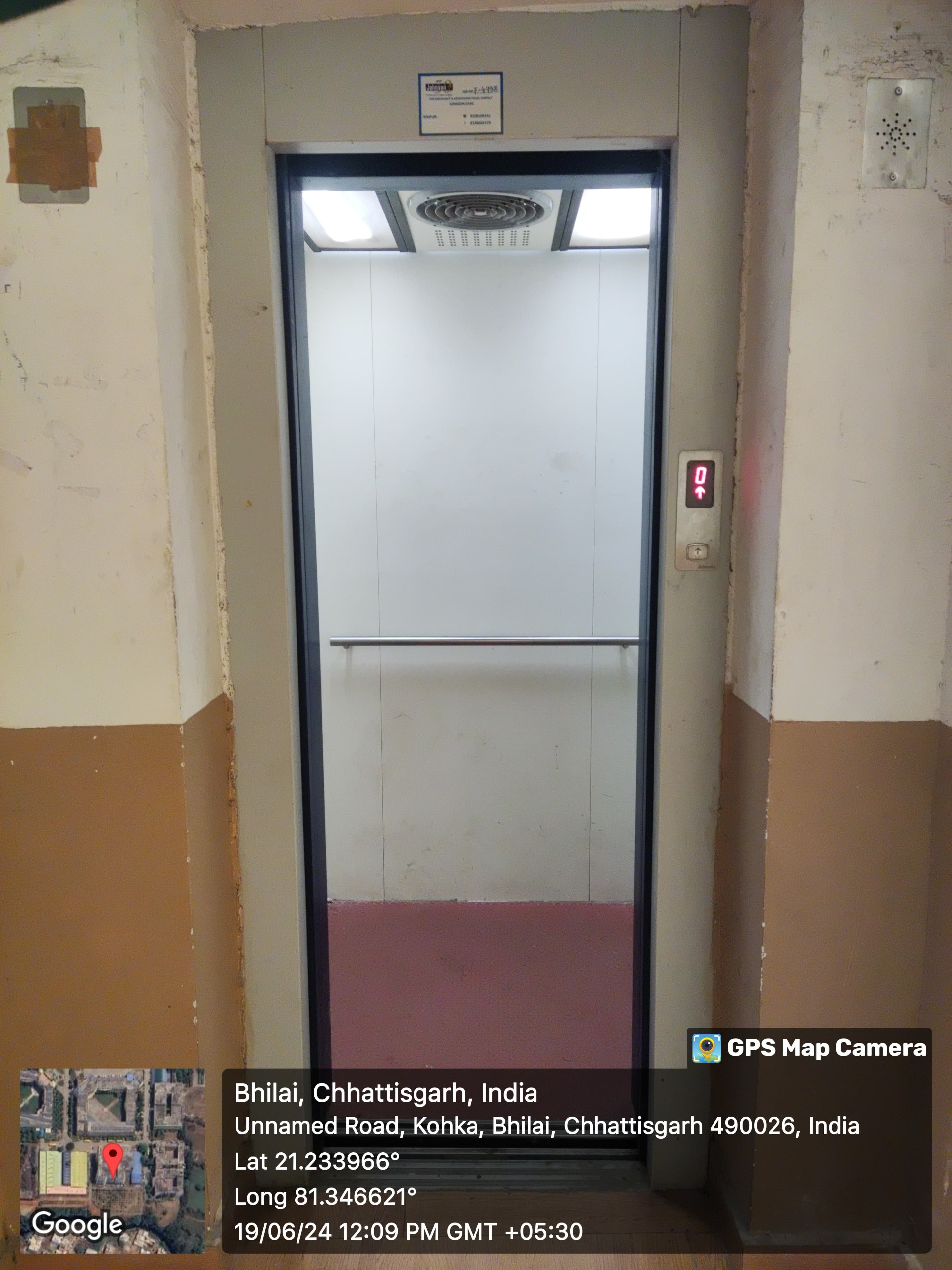
The Institution has facilities and initiatives for Alternate sources
of energy and energy conservation measures, Management of the
various types of degradable and non-degradable waste, Water
conservation, Green campus initiatives and Disabled-friendly,
barrier free environment
Describe the Institutional efforts/initiatives in providing an
inclusive environment i.e., tolerance and harmony towards cultural,
regional, linguistic, communal socioeconomic and Sensitization of
students and employees to the constitutional obligations: values,
rights, duties and responsibilities of citizens.
Institution obtains feedback on the academic performance and
ambience of the institution from various stakeholders, such as
Students, Teachers, Employers, Alumni etc. and action taken report
on the feedback is made available on institutional website(Yes or
No)
Percentage of seats filled against seats reserved for various
categories (SC, ST, OBC, Divyangjan, etc. as per applicable
reservation policy during the last five years
Percentage of full time teachers with NET/SET/SLET/ Ph. D. / D.M. /
M.Ch. / D.N.B Superspeciality / D.Sc. / D.Litt. during the last five
years (consider only highest degree for count)
Grants received from Government and non-governmental agencies for
research projects / endowments in the institution during the last
five years (INR in Lakhs).
Number of workshops/ seminars/ conferences including on Research
Methodology, Intellectual Property Rights (IPR) and entrepreneurship
conducted during the last five years
Number of books and chapters in edited volumes/ books published and
papers published in national/ international conference proceedings
per teacher during last five years
Number of extension and outreach programs conducted by the
institution through NSS/NCC/Red cross/YRC etc., (including the
programmes such as Swachh Bharat, AIDS awareness, Gender issues etc.
and/or those organized in collaboration with industry, community and
NGOs) during the last five years
The number of MoUs, collaborations/linkages for Faculty exchange,
Student exchange, Internship, Field trip, On-the- job training,
research and other academic activities during the last five years
Percentage of expenditure incurred on maintenance of infrastructure
(physical and academic support facilities) excluding salary
component during the last five years(INR in Lakhs)
Capacity building and skills enhancement initiatives taken by the
institution include the following 1. Soft skills
2. Language and communication skills
3. Life skills(Yoga, physical fitness, health and hygiene)
4. ICT/computing skills
Number of awards/medals for outstanding performance in sports/
cultural activities at University / state/ national / international
level (award for a team event should be counted as one) during the
last five years
Average number of sports and cultural programs in which students of
the Institution participated during last five years (organised by
the institution/other institutions)
Percentage of teachers provided with financial support to attend
conferences/workshops and towards membership fee of professional
bodies during the last five years
Percentage of teaching and non-teaching staff participating in
Faculty development Programmes (FDP), professional development
/administrative training programs during the last five years
The Institution has facilities and initiatives for Alternate sources
of energy and energy conservation measures, Management of the
various types of degradable and non-degradable waste, Water
conservation, Green campus initiatives and Disabled-friendly,
barrier free environment